Challenges We Faced While Building a Large-Scale Application
March 14, 2026
Building a large-scale application is far more complex than developing a standard website or small system. As the number of users, features, and integrations grows, the challenges increase significantly. During the development of our large-scale platform, we encountered several technical and operational hurdles that required strategic planning, collaboration, and innovative solutions.In this article, we share the key challenges we faced and how overcoming them helped us build a stronger, more scalable application.
1. Designing a Scalable Architecture
One of the biggest challenges was designing an architecture that could handle future growth without constant restructuring. A large-scale system must support thousands—or even millions—of users without affecting performance.Key considerations included the following:
Choosing the right technology stack
Structuring the system using modular architecture
Implementing microservices where necessary
Preparing the infrastructure for horizontal scaling
By focusing on scalability from the beginning, we ensured that the application could grow without major redesigns.
2. Managing High Data Volume
Large applications generate and process massive amounts of data every day. Efficient data management became a critical challenge for our development team.We addressed this by:
Optimizing database queries
Implementing data indexing and caching
Using database replication for load balancing
Structuring databases to handle high traffic efficiently
These strategies helped maintain fast response times even as data volume increased.
3. Maintaining Performance Under Heavy Traffic
As user numbers increased, maintaining consistent performance became essential. Slow loading times or system crashes could negatively impact user experience and business reputation.To solve this challenge, we implemented the following:
Load balancing
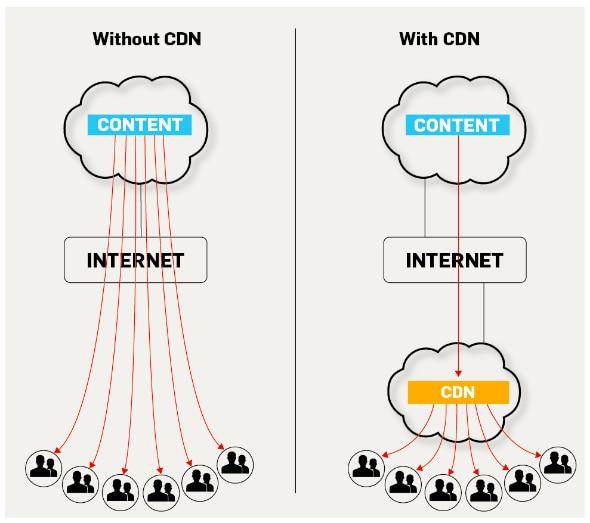
Content delivery networks (CDN)
Performance monitoring tools
Server-side optimization
This ensured that the platform remained fast, reliable, and stable, even during peak traffic.
4. Ensuring Application Security
Security is a critical component of any large-scale system. With more users and data, the risk of security threats also increases.We implemented several security measures, including:
Secure authentication and authorization
Data encryption
Regular security audits
Protection against common vulnerabilities such as SQL injection and cross-site scripting (XSS)
By prioritizing security from the beginning, we ensured the safety of both the platform and its users.
5. Handling System Integration
Large applications often require integration with third-party services, APIs, and external systems. Managing these integrations while maintaining system stability was another challenge.Our solution involved:
Designing API-first architecture
Implementing error handling and fallback mechanisms
Monitoring integration performance
Ensuring compatibility with external services
This allowed seamless communication between different systems.
6. Coordinating Large Development Teams
Building a large-scale application typically involves multiple developers, designers, and project managers working together. Coordinating tasks and maintaining consistent coding standards can be difficult.We improved collaboration by:
Using version control systems
Implementing code review processes
Adopting Agile development methodologies
Maintaining clear project documentation
These practices helped ensure smooth teamwork and consistent development quality.
7. Continuous Testing and Deployment
Frequent updates and feature releases are common in large applications. Ensuring that every update works correctly without breaking existing functionality was a challenge.To overcome this, we introduced the following:
Automated testing
Continuous Integration and Continuous Deployment (CI/CD)
Staging environments for testing
Rollback strategies for quick recovery
This allowed us to deliver updates quickly and safely.
Conclusion
Building a large-scale application is a complex journey that requires strong planning, technical expertise, and continuous improvement. The challenges we faced—from scalability and performance to security and collaboration—helped us refine our development approach and build a more reliable system.Every challenge provided valuable lessons that strengthened our processes and ultimately led to the creation of a robust, scalable, and high-performing application capable of supporting long-term growth.